- Why It’s Called “The Phantom Shochu”
- The Meaning Behind the Name
- The Story of Asahi Shuzo, the Brewery
- Rice Shochu: The Miracle That Won Japan’s Top Honor
- Barley Shochu: The Original “Mugi Jochu” of Oita
- Ginjo: The Shochu Chosen by the Luxury Cruise Ship Asuka II
- How to Enjoy It
- Why Visit Yamashiroya
- Yamashiroya
Why It’s Called “The Phantom Shochu”
Whenever I explain Yaba Bijin to a visitor for the first time, I run into the same problem. I tell them, “Even locally in Oita, this is hard to find,” and they’re always surprised.
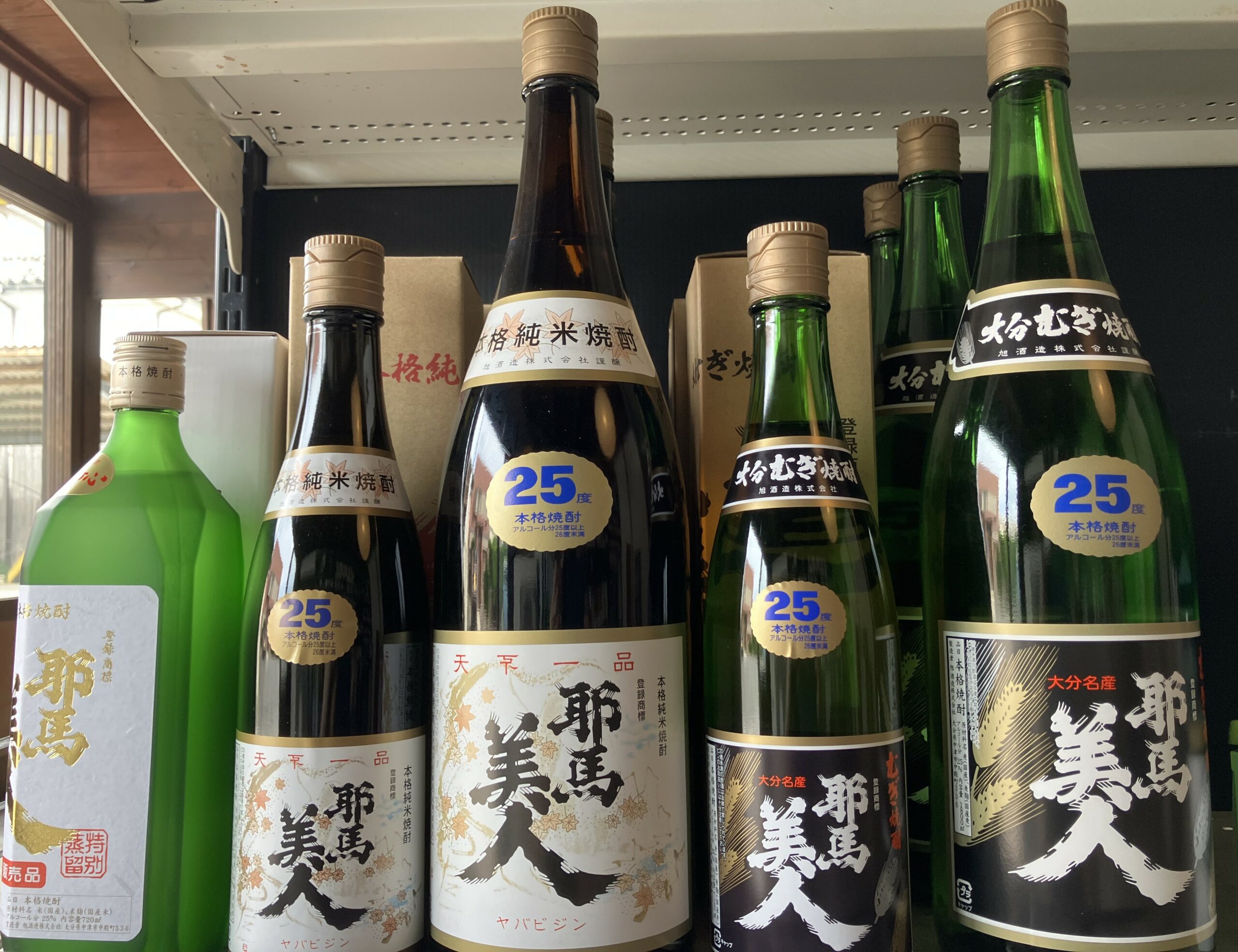
Total annual production, rice and barley combined, is only around 60,000 bottles (measured in traditional 1.8-liter units). About 90% of that is consumed within Oita Prefecture itself. So even when I want to recommend it to someone from outside the region, the truth is that local drinkers usually finish it first. Only those in the know really know it. That’s why it’s earned the nickname “the phantom shochu.”
The Meaning Behind the Name

Few people know the story behind the name “Yaba Bijin” (“Yaba Beauty”).
In northern Oita lies Yabakei, a valley of dramatic rock formations and mountains that shift with every season. According to local lore, the women who live surrounded by this beauty come to be known, almost mysteriously, as beauties themselves — and that’s said to be the origin of the name. While there are many sake brands with “bijin” (beauty) in the name, it’s rare for a shochu.
The Story of Asahi Shuzo, the Brewery
Asahi Shuzo was founded in 1935. It remains a small, family-run operation with just eight employees.
Oita is famous as a major barley shochu region, but breweries that have stayed dedicated exclusively to shochu since their founding are actually rare. When I once spoke with the brewery’s president, Mr. Naka, one comment stuck with me: “We have pride as a shochu brewery. We can’t lose to anyone else.” That single line carries the weight of a brewery that has defended its reputation ever since its rice shochu was crowned the best in Japan.
Everything, from brewing to bottling to label application, is done by hand. What surprised me even more was learning that they’ve modified nearly every piece of equipment themselves, purely in pursuit of better flavor. Rather than using off-the-shelf machinery as is, they keep adjusting it to get closer to the taste they’re after. Guided by the brewery’s motto, “Shochu reflects the heart; if the heart isn’t right, neither is the shochu,” and a spirit of pouring one’s whole heart into a single cup, this is a brewery that has never stopped chasing a flavor that moves the person drinking it.
Rice Shochu: The Miracle That Won Japan’s Top Honor
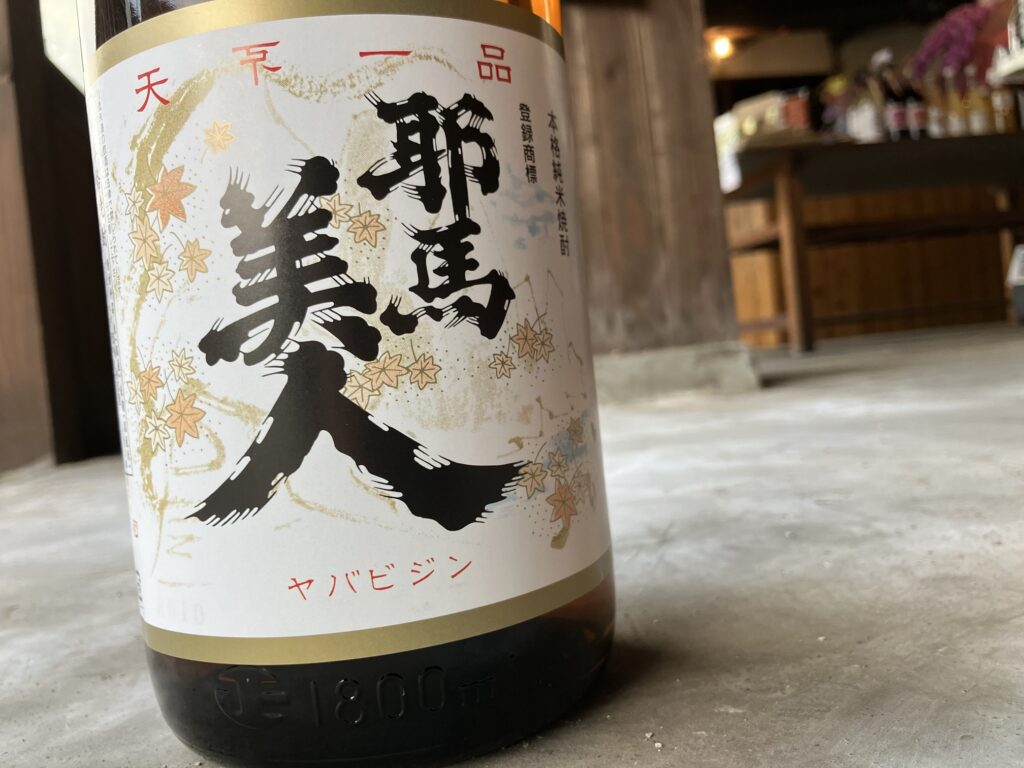
The flagship of the Yaba Bijin line is its rice shochu.
In 1982, it was awarded first place at the 6th National Tax Agency Shochu Competition — the highest honor in Japan. Its flavor has been compared to “rice brandy.” The refined, smooth texture and clean finish are so subtle that some people, tasting it blind, mistake it for a dry sake rather than a shochu.
More than 40 years after that award, the brewery still refuses to increase production. I see that as a quiet form of discipline — proof of a brewery that keeps quality above growth.
Barley Shochu: The Original “Mugi Jochu” of Oita
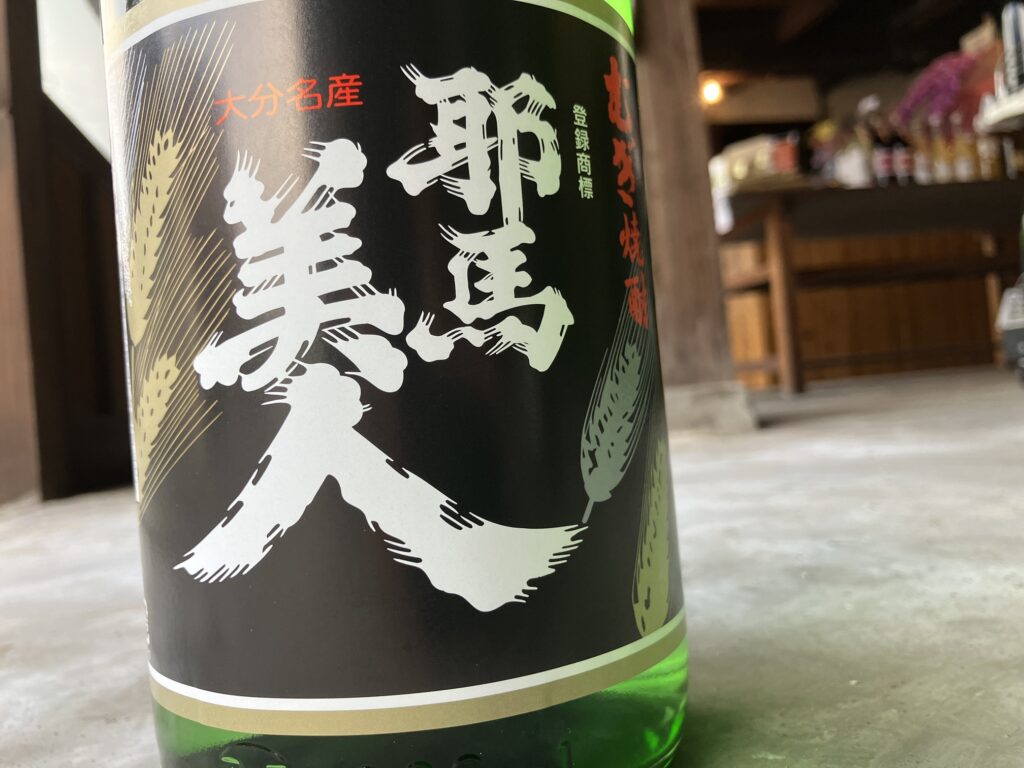
There’s another side to Yaba Bijin worth knowing: its barley shochu.
Today, “100% barley” is considered standard for Oita’s barley shochu. But Asahi Shuzo was the first in the industry to develop this method — using barley, not rice, for both the koji and the base mash. In a real sense, this brewery laid the foundation for what “Oita barley shochu” means today. Calling it “the original” isn’t an exaggeration.
Ginjo: The Shochu Chosen by the Luxury Cruise Ship Asuka II
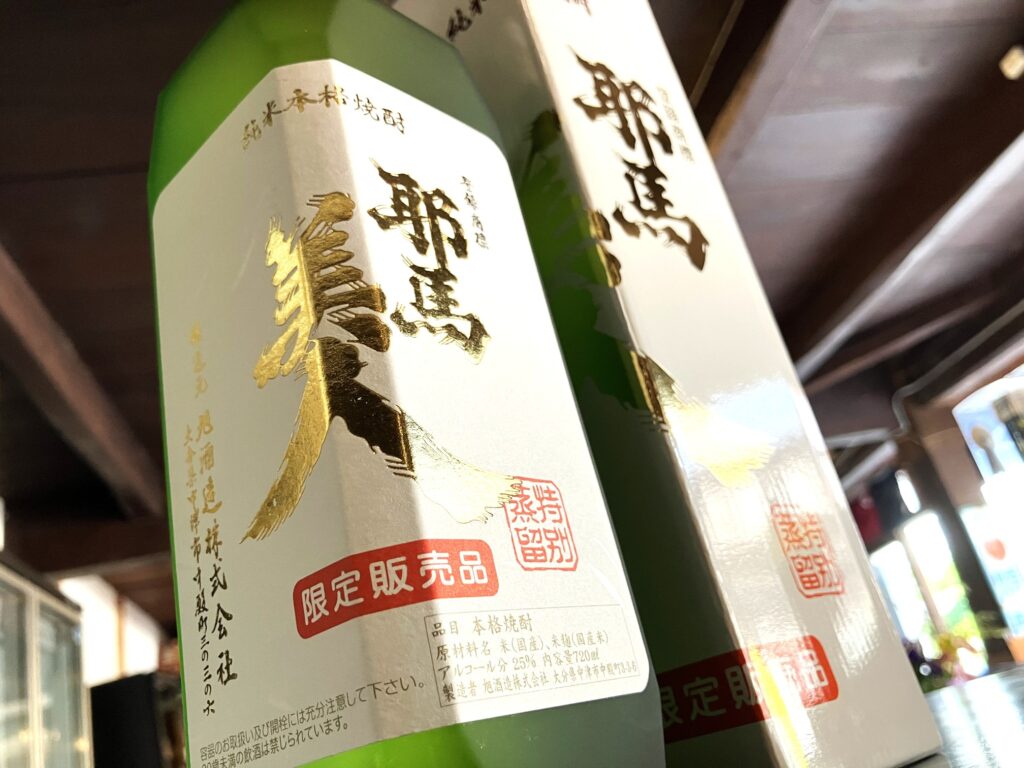
There’s one more expression I want to introduce with special pride: Yaba Bijin Ginjo.
Since 2018, it has been served aboard the Asuka II, a luxury cruise ship operated by NYK Line, for guests to enjoy during their voyage. This bottle is made by selecting only the years the brewery judges to be its absolute best, then aging and blending them together. Housed in a frosted green glass bottle with washi paper labeling and a white presentation box, every detail reflects the brewery’s full effort. Knowing that this shochu is being poured for travelers on a ship crossing the world genuinely moves me.
How to Enjoy It
Yaba Bijin is most commonly served straight or on the rocks at 25% ABV, but locals have long preferred warming it slightly at 20%, sipping it slowly and diluted.
If it’s your first time, I’d recommend trying it neat, just as it is, before anything else.
Why Visit Yamashiroya
Yamashiroya is an authorized retailer for Yaba Bijin, and we take great care in how we present this brand.
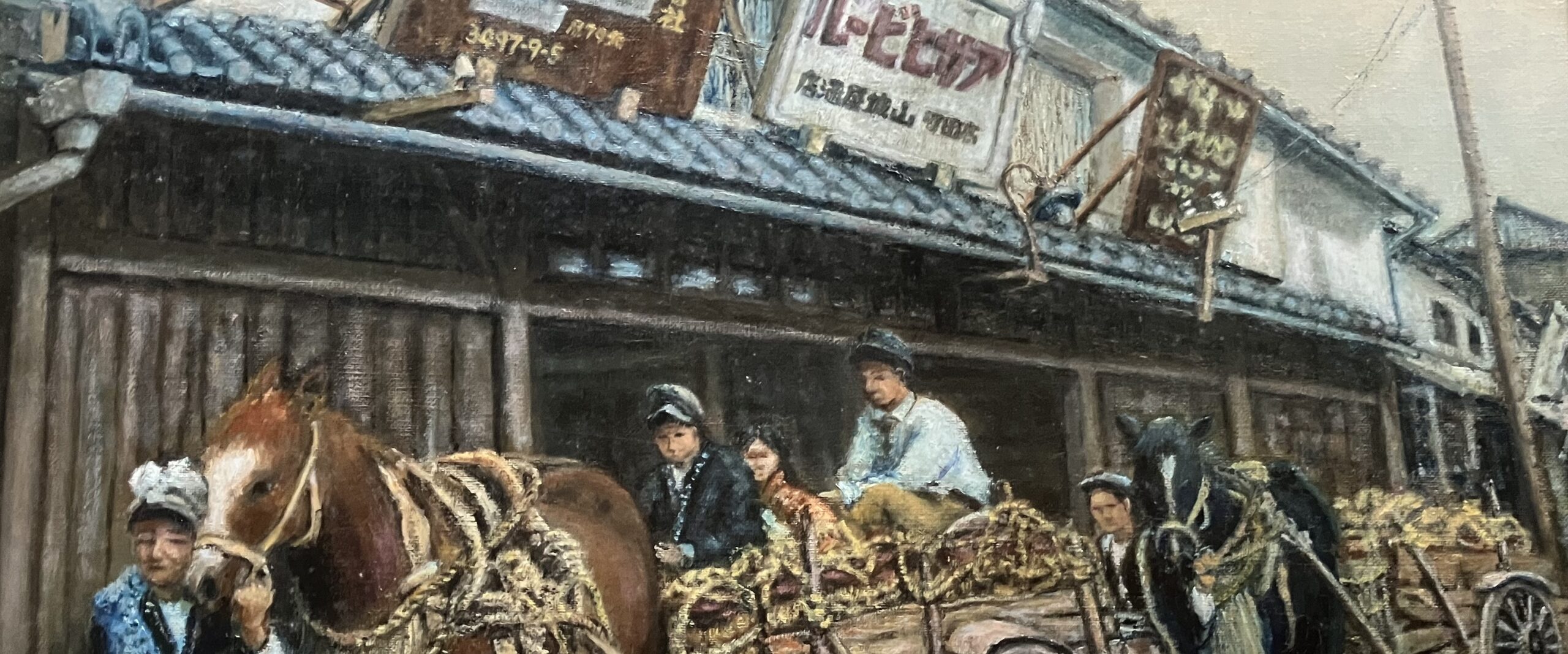
For 160 years, we’ve been a trusted eye for Oita’s food and drink. Our wish is simple: to pass on the spirit of this local brewery to visitors as faithfully as we can.
Yaba Bijin is not available for overseas shipping — this is a shochu that stays close to home, just as the brewery intended. If you’re visiting Oita, this is one of the few chances you’ll have to taste it. We welcome you to stop by our shop in Bungotakada City and try it for yourself.
Yamashiroya
646 Hamacho, Bungotakada City, Oita Prefecture Specialty retailer of Oita sake, shochu, wine, and whisky — established 1866.
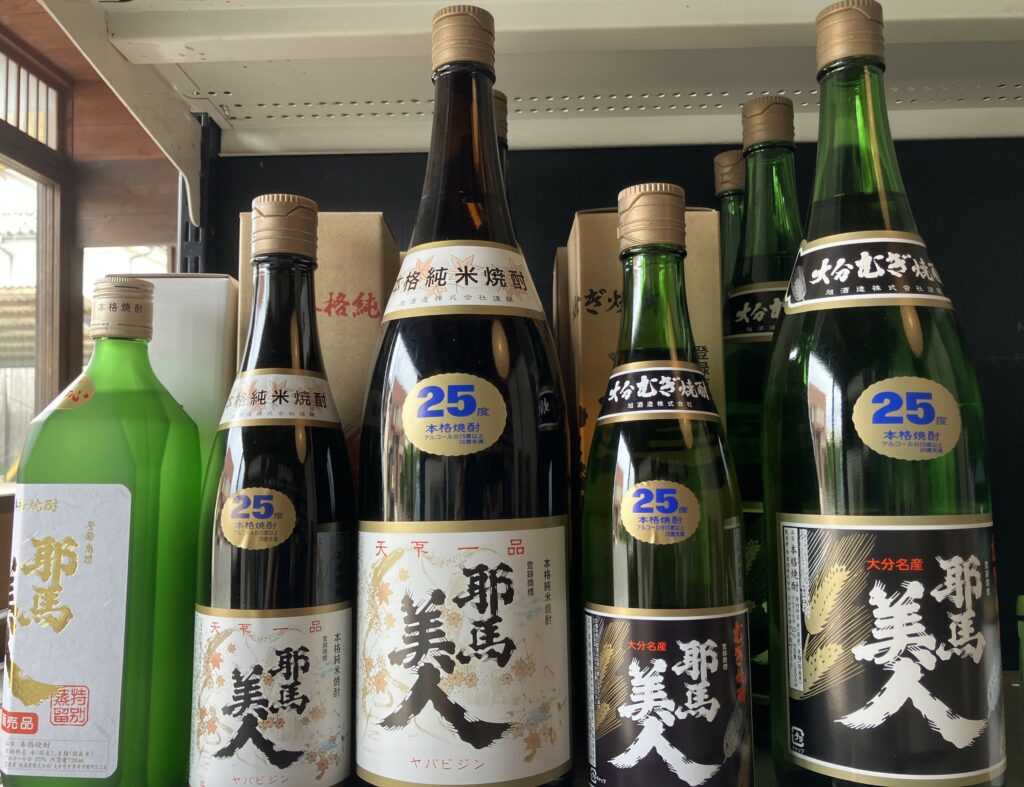
Available in-store: Yaba Bijin Rice Shochu (720ml / 1.8L), Yaba Bijin Barley Shochu (720ml / 1.8L), Yaba Bijin Ginjo (720ml)

コメント